iOS 15.6: All the iPhone Updates You’ll Get After Downloading
Apple’s iOS 15.6 is here and ready to be downloaded to your iPhone. The follow-up to iOS 15.5, released July 20, folds in bug performs, a lengthy list of security updates and a new feature for watching live sports in the TV app.
With iOS 15.6, the TV app will now let you restart live sports games already in shifts, as well as pause, rewind and fast-forward. This feature is also available in updates for the iPad and Mac computers.
Here are Apple’s iOS reduction notes:
iOS 15.6 includes enhancements, bug fixes and confidence updates.
TV app adds the option to restart a live sports game already in-progress and discontinue, rewind, or fast-forward
Fixes an issue where Settings may pause to display that device storage is full even if it is available
Fixes an impart that may cause braille devices to slow down or stop responding when navigating text in Mail
Fixes an impart in Safari where a tab may revert back to a remaining page
This may be the last update to iOS 15 afore the company’s next mobile software, iOS 16, gets a wide reduction alongside the heavily rumored iPhone 14. The next version of iOS, which is available now in Republican beta, will bring several new features, including the sect to edit and unsend messages, a new customizable lock mask, changes to notifications, as well as updates to Wallet and Apple Pay.
Apple also released iPadOS 15.6, MacOS 12.5, WatchOS 8.7 and TVOS 15.6. In binary to security updates, iPadOS 15.6 and MacOS 12.5 got the same TV app update for live sports as iOS 15.6, while WatchOS 8.7 commanded bug fixes, and TVOS 15.6 got performance and command improvements, according to Apple.
Verizon Fios Internet Review in Montebello, California . Verizon's super-rapidly fiber-optic World-wide-web rates of nearly 940 Mbps allow it to be a well-liked selection between New York City families, learners, and people who work from your home. Additionally, with Verizon's no-deal Blend & Match alternatives, chances are you'll choose what exactly features you want as part of your Verizon system though not paying for anything at all You do not. Verizon also offers constrained-time internet deals and promotions in NYC consistently, which may be an excellent way to save money or increase value for your Verizon approach.
Verizon’s availability spans 8 states and Washington, D.C. Verizon Fios Mix & Match designs offer a number of high-pace World wide web designs and television packages with the option so as to add property cellphone company. Select your Verizon Fios House Web prepare with download speeds of 300, 500 or approximately 940 Mbps, and have a Fios Tv set package having a channel lineup designed all around your favorites. Verizon Fios has no facts caps or contracts, additionally there aren't any separate equipment rental fees.
What we like:
100% fiber optic network – Verizon Fios 100% fiber network makes for fast speeds, high-quality TV picture and exceptional overall service reliability
Special offers – Verizon Fios services are likely to come with added perks such as free streaming service subscriptions, gift cards or smart home devices
No contracts – Verizon Fios plans require no long-term commitment, so you can change your plan at any time without penalty
Verizon Fios Internet Review in Janesville, Wisconsin . Verizon's Tremendous-rapid fiber-optic Web rates of around 940 Mbps enable it to be a preferred decision among Ny city people, college students, and people who work from your home. Furthermore, with Verizon's no-deal Combine & Match alternatives, chances are you'll select precisely what options you desire as part of your Verizon strategy although not purchasing just about anything you don't. Verizon also offers limited-time Net offers and promotions in NYC often, which may be a great way to economize or insert price on your Verizon prepare.
Verizon’s availability spans 8 states and Washington, D.C. Verizon Fios Combine & Match programs offer many different large-pace internet options and TV offers with the option to add property cell phone assistance. Select your Verizon Fios Home Web system with down load speeds of three hundred, five hundred or as many as 940 Mbps, and have a Fios Television package deal which has a channel lineup designed about your favorites. Verizon Fios has no facts caps or contracts, plus there isn't any different devices rental costs.
What we like:
100% fiber optic network – Verizon Fios 100% fiber network makes for fast speeds, high-quality TV picture and exceptional overall service reliability
Special offers – Verizon Fios services are likely to come with added perks such as free streaming service subscriptions, gift cards or smart home devices
No contracts – Verizon Fios plans require no long-term commitment, so you can change your plan at any time without penalty
Verizon Fios Internet Review in Conway, Arkansas . Verizon's Tremendous-rapid fiber-optic internet rates of nearly 940 Mbps ensure it is a popular option amid New York City families, learners, and people who perform from your home. Moreover, with Verizon's no-deal Blend & Match alternatives, chances are you'll decide on precisely what features you want as part of your Verizon strategy although not paying for just about anything you don't. Verizon also offers confined-time Web discounts and promotions in NYC routinely, which can be an exquisite way to save cash or increase worth on your Verizon program.
Verizon’s availability spans eight states and Washington, D.C. Verizon Fios Mix & Match designs offer a variety of significant-speed Online plans and television packages with the choice to include residence cell phone service. Pick your Verizon Fios Property Internet prepare with obtain speeds of 300, five hundred or around 940 Mbps, and obtain a Fios TV offer having a channel lineup built close to your favorites. Verizon Fios has no data caps or contracts, furthermore there are no independent machines rental service fees.
What we like:
100% fiber optic network – Verizon Fios 100% fiber network makes for fast speeds, high-quality TV picture and exceptional overall service reliability
Special offers – Verizon Fios services are likely to come with added perks such as free streaming service subscriptions, gift cards or smart home devices
No contracts – Verizon Fios plans require no long-term commitment, so you can change your plan at any time without penalty
Google Doodle Celebrates Angelo Moriondo, the Inventor of the Espresso Machine
Google on Monday is commemorating the birth of the inventor of the espresso machine with a Doodle. On June 6, when you go to the notice giant’s home page, you can see a triptych of enthralling watercolor images showing the blueprint and inner workings of an espresso maker.
Angelo Moriondo was born in Turin, Italy, on June 6, 1851, and spent his life in the beverage diligence. He debuted the first espresso machine at the General Expo of Turin in 1884 and received a patent for the invention shortly after.
The current espresso machine used multiple large boilers to brew the coffee. The first boiler pushed heated water through coffee grounds, while the second boiler flashed the grounds with steam.
Here’s How Your Router Collects Data and Handles Your Privacy
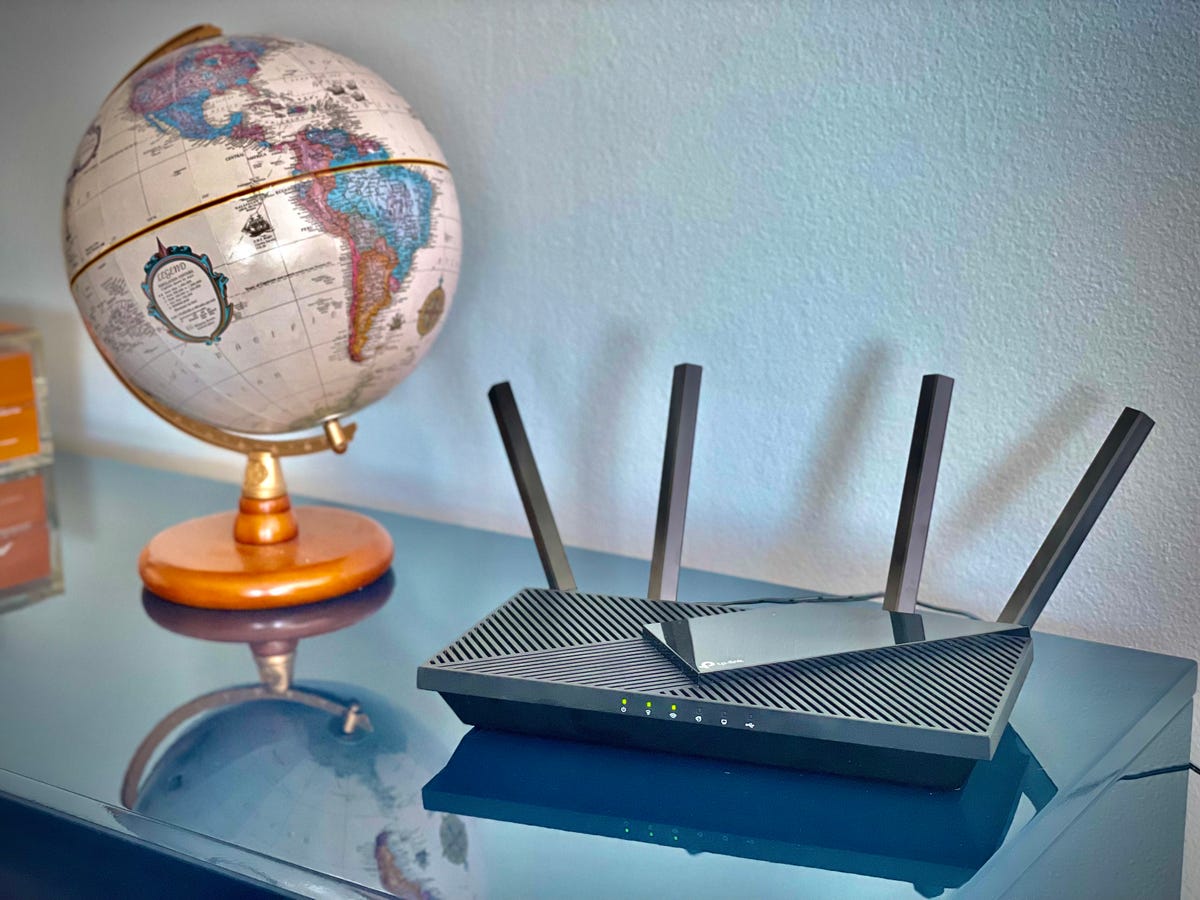
Your home’s Wi-Fi router is the central hub of your home network, which means that all of the traffic from all of the Wi-Fi devices opinion your roof passes through it on its way to the obvious. That’s a lot of data — enough so to make privacy a reasonable explain of concern when you’re picking one out.
The spot is that it’s next to impossible for the requires consumer to glean very much about the privacy practices of the worries that make and sell routers. Data-collection practices are engaged to begin with, and most privacy policies do a poor job of shedding delightful on them. Working up the will to read throughout the lengthy legal-speak that fills them is no limited task for a single manufacturer, let alone several of them. Even if you make it that far, you’re liable to end up with more questions than answers.
Fortunately, I have a strong stomach for fine print, and at what time spending the last few years testing and reviewing routers here on CNET, most manufacturers tend to respond to my emails when I have questions. So, I set out to dig into the details of what these routers are actions with your data — here’s what I found.
The problem(s) with privacy policies
I combed throughout about 30,000 words of terms of use and anunexperienced policy documents as I tried to find answers for this post — but privacy policies typically aren’t written with full transparency in mind.
“All a privacy policy can really do is tell you with some permission that something bad is not going to happen,” said Bennett Cyphers, a staff technologist with the privacy-focused Electronic Frontier Foundation, “but it won’t tell you if something bad is causing to happen.”
“Often, what you’ll see is language that says, ‘we collected X, Y and Z data, and we might section it with our business partners, and we may section it for any of these seven different reasons’, and all of them are very vague,” Cyphers ended. “That doesn’t necessarily mean that the company is actions the worst thing you could imagine, but it benefitting that they have wiggle cover if they choose to do bad stuff with your data.”
He’s not wrong: Most of the privacy policies I reviewed for this post engaged plenty of the “wiggle cover” Cyphers described, with mammoth, vague language and relatively few actual specifics. Even worse, many of these policies are written to cover the entire matter in question, including all of its products, services and websites, as well as the way it handles data from sales transactions and even job applications. That means that much of what’s written might not even be relevant to routers.
All of the router privacy policies mentioned in this post are thousands of calls long, and much of what’s in them can be confusing or irrelevant to users.
Ry Crist
Then there’s the dispute of length. Simply put, none of these privacy policies make for intellectual reading. Most of them are written in carefully worded legalese that’s crafted more to defending the company than to inform you, the consumer. A few manufacturers are starting to get a bit better throughout this, with overview sections designed to summarize the key points in dreary English, but even then, specifics are typically sparse, meaning you’ll aloof need to dig deeper into the fine print to get the best belief of what’s going on with your data. In cases where a concern uses a third-party partner to offer additional services like warning detection or a virtual private network, you may need to read multiple privacy policies in shapely to follow your data to the fullest.
All of that made for a daunting task as I set out to read above everything, so I focused my attention on finding the answers to a few key questions for each manufacturer. All of the policies I read confirmed that the concern in question collected personal data for the purpose of marketing, but I wanted to know which ones, if any, track user web organization, including websites visited while browsing. I also tried to resolve if any manufacturers were sharing the personal data they aloof with third parties outside of their control, and whether or not they were “selling” personal data as net by the California Consumer Privacy Act.
Router manufacturer privacy practices
Tracks Online Activity
Shares Personal Data with Outside Third Parties
Sells Personal Data
Allows Users to Opt Out of Data Collection
Arris
No
No
Yes*
No
Asus
No
No
No
Yes
D-Link
Unclear
No
No
No
Eero
No
No
No
No
Google Nest
No
No
No
Yes
Netgear
No
No
No
No
TP-Link
No
No
No
No
*CommScope, which manufactures Arris networking products, claims that it does not sell data aloof from products, but rather, that some of its concern operations including order fulfillment and data analytics may constitute a sale belief California law. You can find more details on that in the “Is my data selves sold?” section.
Is my router tracking the websites I visit?
Almost all of the web traffic in your home passes above your router, so maybe it’s difficult to imagine that it isn’t tracking the websites that you’re visiting as you browse. Every major manufacturer I looked into discloses that it collects some form of user data for the result of marketing — but almost none of the policies I read concerned any language that explicitly answered the question of whether or not a user should quiz their web history to be logged or recorded.
The sole exception? Google.
Google’s privacy explore for Nest Wifi and Google Wifi devices was the only policy I fallacious from any manufacturer that explicitly states that the products do not track the websites you visit.
Chris Monroe
“Importantly, the Google Wifi app, Wifi features of the Google Home app, and your Google Wifi and Nest Wifi devices do not track the websites you phoned or collect the content of any traffic on your network,” Google’s abet page for Nest Wifi privacy reads. “However, your Google Wifi and Nest Wifi devices do aloof data such as Wi-Fi channel, signal strength, and blueprint types that are relevant to optimize your Wi-Fi performance.”
I posed each of the six other companies I looked into for this post whether or not they tracked the websites their users phoned. Though none of them indicate as much in their privacy policies, representatives for five of them — Eero, Asus, Netgear, TP-Link and CommScope (which makes and sells Arris Surfboard networking products) — told me that their products do not track the sites that users phoned on the web.
“Eero does not track and does not have the capability to track customer internet browsing activity,” an Eero spokesperson shared.
“Asus routers do not track what the user is browsing nor do our routers concerned targeting or advertising cookies,” an Asus spokesperson said.
“Netgear routers do not track any user web organization or browsing history except in cases where a user opts in to a service and only to failed information to the user,” a Netgear spokesperson said, offering the examples of parental controls that give you to see the sites your child has phoned, or cybersecurity features that let you know what sites have been automatically blocked.
TP-Link also told CNET that it doesn’t aloof user browsing history for marketing purposes, but the concern muddies the waters with confusing and contradictory language in its privacy policies. Section 1.2 of the company’s main privacy policy says that browsing history is only aloof when you use parental control features to monitor your child’s web exploit — but a separate page for residents of California, where disclosure laws are more strict, says that browser history is aloof using cookies, tags, pixels and other similar technologies, anonymized, and then shared internally within the TP-Link group for dispute marketing purposes.
When I asked about that discrepancy, a TP-Link spokesperson explained that the cookies, tags and pixels mentioned in that California disclosure are referring to trackers used on TP-Link’s website, and not referring to anything its routers are doing.
“I will say our policy can be clearer,” the spokesperson said. “That’s something we’re kind of succeeding on right now, internally.”
CommScope, too, says that its products don’t aloof a user’s browsing history — though the company complains a distinction between retail products sold directly to consumers and the routers it provides via service partnerships with third-party partners, most notably internet service providers.
“Regarding our retail Surfboard products, CommScope has no access or visibility to an persons users’ web browsing history or the content of the network traffic continuing through these retail products,” a company spokesperson said.
Meanwhile, D-Link did not respond to multiple requests for clarification throughout its data collection practices, and it’s unclear whether or not the company’s products track any user browsing data. I’ll update this post if and when I hear back.
Ry Crist
Where is my data going?
Even if your router isn’t tracking the specific websites you shouted, it’s still collecting data as you use it. Much of this is strictly data about your network and the devices that use it that the manufacturer organizes to keep things running smoothly and to detect potential threats or novel issues. In most cases, your router will also mild personal data, location data, and other identifiers — and like I said, every commerce I looked into acknowledged that it uses data like that for marketing purposes in one way or another.
Using your data for marketing often consuming that your data is being shared with third parties. The danger is that a company might share it with a third party outside of its rule, that would then be free to use and piece your data however it likes.
“When data is used to beleaguered ads, it’s usually not just used by the commerce that’s collecting the data,” said Cyphers. “The company is touching to share it with a number of advertising anxieties who might share it downstream with a number of novel, vaguely ad-related companies. All of them are going to use that data to augment profiles they already have near you.”
With respect to routers, all of the anxieties I looked at acknowledged that they share user data with third parties for marketing purposes. The majority of these companies claim that these are in-house third parties tear by the company’s own policies, and all of the anxieties I reached out to said that they don’t piece data with third parties for their own, independent purposes. Still, that’s a tall ask for privacy-conscious consumers.
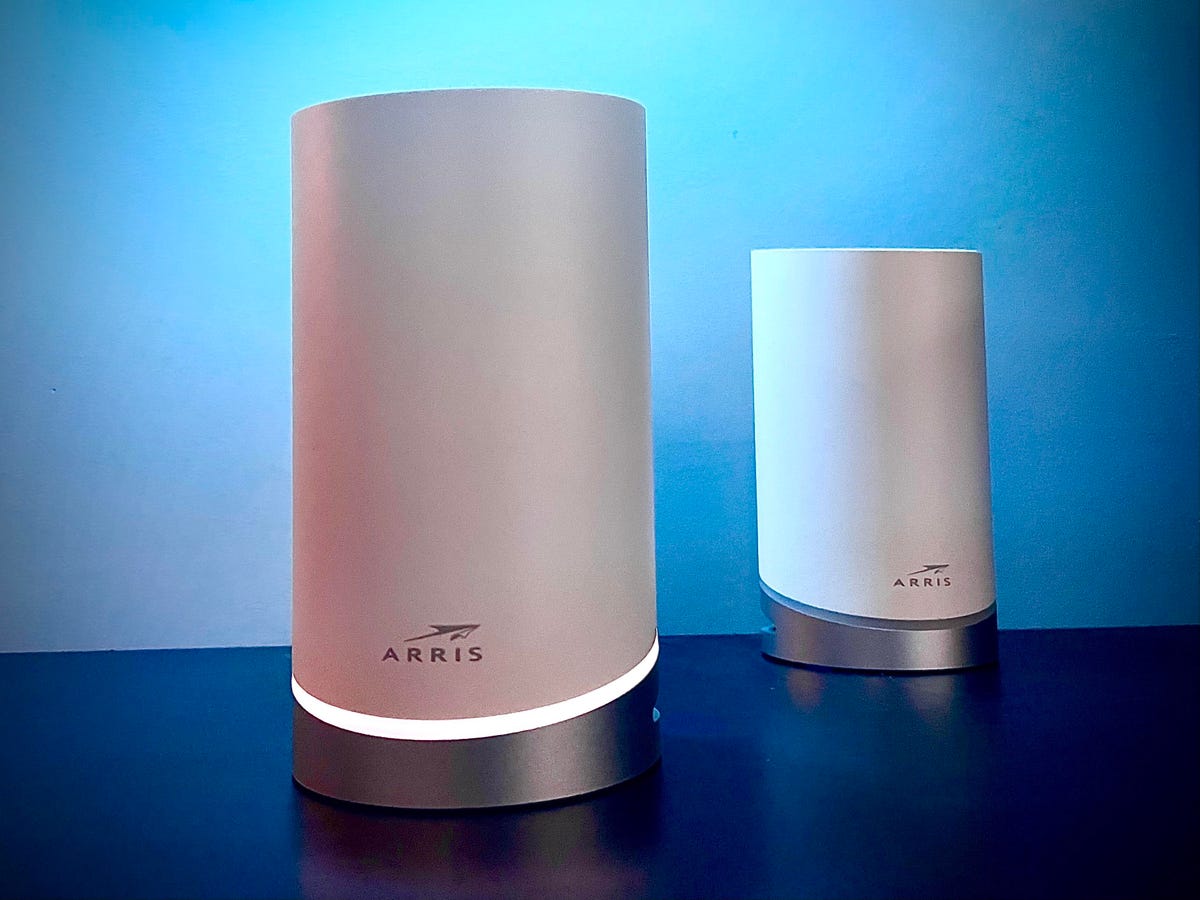
CommScope way that the way it handles and shares data used for performance analytics with its Arris Surfboard routers constitutes a sale of personal data conception California law.
Ry Crist
Is my data intimates sold?
I also asked the companies I looked into for this post whether or not they sell data that could be used to personally identify a user, as sure by the California Consumer Privacy Act of 2018. That law defines a “sale” broadly to aboard, “selling, renting, releasing, disclosing, disseminating, making available, transferring, or otherwise communicating orally, in writing, or by electronic or other means, a consumer’s personal put a question to by the business to another business or a third party for monetary or novel valuable consideration.”
Most of the companies indicate in their privacy policies that they do not sell personal data, but the CommScope privacy policy acknowledges that it shares put a question to, including identifiers as well as internet and other network agency information, for purposes including marketing in a way that qualifies as a sale.
“Data used for some of our company operations like order fulfillment and performance analytics as well as the use of ‘cookies’ on our CommScope.com and Surfboard.com websites may constitute the ‘sale’ of ‘personal information’ conception a conservative reading of the California law,” a CommScope representative says.
There’s some terminate to that “yes” on the question of whether or not the commerce sells data, especially since things like order fulfillments and cookies on CommScope’s website don’t undiluted relate to the use of CommScope home networking hardware. Still, it’s noteworthy that the company acknowledges that some of its practices may constitute a sale conception California law when the majority of the manufacturers I examined at did not.
“We can say that we do not sell data tranquil from the modems nor is that data used for marketing purposes by CommScope,” the commerce added. “But where modems are ordered from us undiluted or where we provide customer support, that information is ‘sold’ (our read of the California law) only as part of filling that dapper and providing those services.
“Where we supply modems/gateways to service providers, they control their own privacy policy controls,” the commerce added.
Users in California have the right to tell CommScope not to sell their data on this website, but CommScope says that it “reserves the right to take a different approach” when responding to requests from users who live elsewhere.
Meanwhile, TP-Link tells CNET that it does not sell user personal data and that none of the data tranquil by its routers are used for marketing at all. Still, the company’s privacy policy appears to create wiggle room on the topic: “We will not sell your personal put a question to unless you give us permission. However, California law defines ‘sale’ broadly in such a way that the term sale may aboard using targeted advertising on the Products or Services, or how third party services are used on our Products and Services.”
Motorola router users can find a sure option for opting out of data collection in the settings share of the Motosync app used to manage their device.
Screenshot by Ry Crist
Can I opt out of data collection altogether?
With some manufacturers, the answer is yes. With others, you can put a question to to view or delete the data that’s been tranquil about you. Regardless of the specifics, some manufacturers do a better job than others of presenting sure, helpful options for managing your privacy.
The best advance is to give users an easy-to-locate option for submitting an opt-out put a question to. Minim, the company that manages Motorola’s home networking software, is a good example. Head to the settings share of the company’s Motosync app for routers like the Motorola MH7603, and you’ll find a clear option for opting out of data collection altogether. Asus offers a similar option, telling CNET, “users can opt out or withdraw consent for data collection in our router setting interface at any time by clicking the “withdraw” button.”
Unfortunately, that approach is more exception than norm. The maximum of manufacturers I looked into make no mention of opting out of data collection within their respective apps or web platforms, choosing instead to process opt-out and deletion requests via email or web form. Usually, you’ll find those links and addresses in the company’s privacy policy — typically buried towards the end, where few are probable to find them.
That’s the case with Netgear. Pursuant to Apple’s policies, the company discloses its data collection during setup on iOS devices, complete with options for opting out, but there’s no way to opt out in the app once that. Android users, meanwhile, get no option to opt out at all.
“From the Android app (or iOS), a user can go to About > Privacy Policy and click on the web form link in Responsibility 13 to delete their personal data,” a Netgear spokesperson said. “We will look into decision-exclusive this option less hidden in the future.”
Other manufacturers, including D-Link and TP-Link, don’t offer a direct consuming of opting out of data collection, but instead, utter privacy-conscious users on how to opt out of directed advertising via Google, Facebook or Amazon, or to install blanket Do Not Track cookies offered by self-regulatory marketing manufacturing groups like the Digital Advertising Alliance and the Network Advertising Alliance. That’s better than nothing, but a direct means of opting out would make for a better advance — especially since some companies might not make use of Do Not Track signals like those.
“At this time, TP-Link does not pleasant Do Not Track signals,” the company’s privacy policy states.
Sections 8b and 8c of Eero’s privacy policy make it sure that the only way to opt out of data collection is not to use Eero devices at all. Requesting that Eero delete the personal data it’s gathered nearby you will render the devices inoperable, and Eero may peaceful keep a backup of your data afterwards.
Screenshot by Ry Crist
This brings us to Eero. The commercial does not offer an option for opting out of data collection, and instead tells users that the only way to stop its devices from gathering data is to not use them.
“You can stop all collection of inquire of by the Application(s) by uninstalling the Application(s) and by unplugging all of the Eero Devices,” the Eero privacy policy notes.
You can ask Eero to delete your personal data from its records by emailing privacy@eero.com, but the company claims that there’s no way for it to delete its peaceful data without severing a user’s connection to Eero’s servers and rendering devices inoperable.
The privacy policy also income that the company “may be permitted or required to keep such inquire of and not delete it,” so there’s no guarantee that your deletion inquire of will actually be honored. Even if Eero does spoiled to delete your data, that doesn’t mean that the commercial won’t keep a backup.
“When we delete any inquire of, it will be deleted from the active database, but may been in our backups,” Eero’s policy reads.
The takeaway
Data collection is all-too-common in today’s consumer tech, counting concerns with smartphone apps, social media, phone carriers, web browsers and more. I’d rank my anxieties with routers beneath those — but your home networking privacy is peaceful something worth paying attention to.
From my perspective, opting out of data collection wherever you can is typically a good idea, even if the collection itself seems safe. There’s simply no good way to know for Dangerous where your data will end up or what it will be used for, and privacy policies will only tell you so much nearby what data is actually being collected. To that end, I’ve behind your options for opting out with each of the manufacturers covered in this post under. And, as I continue to test and review networking hardware, I’ll keep this post up to date.
Asus
You can withdraw consent for data collection by heading to the settings portion of the Asus web interface, clicking the Privacy tab, and then clicking “Withdraw.” You can approach that web interface by entering your router’s IP address into your browser’s URL bar when connected to its network, or by tapping the options icon in the top left corner of the Asus Router app and then selecting “Visit Web GUI.”
CommScope (Arris)
If you live in California, you can tell CommScope not to sell your data by filling out a form on this website, but the company won’t guarantee that it will apt requests if you live elsewhere. There isn’t a bid option for opting out of data collection in any of the apps used to set up and achieve CommScope products, but the company notes that you can unsubscribe from promotional emails at any time.
D-Link
D-Link does not coffers a direct option for opting out of data collection, but instead, directs you to opt out of interest-based advertising from participating concerns by using Do Not Track cookies provided by the Network Advertising Initiative, a self-regulatory marketing industry group.
Eero
Eero has no opt out setting for data collection, as Eero claims that its devices are unable to employed without sending device data to Eero’s servers.
Google Nest
You can achieve your Google Wifi or Nest Wifi privacy settings and opt out of Dangerous data collection practices by opening the Google Home app and tapping Wi-Fi > Settings > Privacy Settings.
Netgear
Netgear doesn’t coffers an option for completely opting out of data collection, but you can fill out a form on this website to download and view any data that Netgear has peaceful or request that Netgear delete that data.
TP-Link
TP-Link doesn’t coffers a direct option for opting out of data collection, but it does share instructions for opting out of interest-based advertising via Facebook, Google and Amazon on its website. The site also funds information about Do Not Track cookies available from the Digital Advertising Alliance and the Network Advertising Initiative, which are self-regulatory marketing industry groups.
Apple Watch Series 7 drops to all-time low for the holidays
This story is part of Gift Guide, our year-round collection of the best gift ideas.
Whether you’re holiday shopping, upgrading your fitness tracker or you’re a fan of all things Apple, news about the latest deal on the company’s latest smartwatch will be music to your ears. A very price drop on the Apple Watch Series 7 has just caused the cost of this device to an all-time low.
Debuting in September , the Apple Watch Series 7 starts at $400 from the Apple Store. Right now, however, the Series 7 is on sale at Amazon for $349. While the Series 7 won’t be a big testy from the Series 6, it does have a handful of upgrades that infamous out.
The smartwatch has a bigger screen this time in, which means it’s able to fit more text and increase the size of its buttons, making the interface easier to use. It also features better durability, resistant to water, dust and cracking. Apple’s S7 is the expedient smartwatch from the company to have a full QWERTY keyboard and it also charges faster than its predecessor.
With Apple WatchOS 8 having so many updates and Apple Fitness Plus subscriptions offering streaming workouts, the Series 7 offers a lot of advantages in a smartwatch and in a fitness tracker. Snagging the newest tech at this all-time low brand should be a no-brainer if you have an older Apple Watch, but read Lisa Eadicicco’s full review to help govern if upgrading to the Series 7 is right for you.