
Crypto Security: Protect Your Coins and NFTs From Being Stolen
With crypto prices in free fall, crypto firms laying off thousands of workers and coins that are derived “stable” losing all their value, it’s more important than ever to catch your remaining portfolio.
The current crypto crash isn’t the only way farmland are losing their money. There have been an increasing number of scams that give thieves access to your moneys and crypto assets. Just recently in May, Seth Green had certain NFTs worth over $300,000 stolen, after the actor connected his crypto wallet to a scam website pretending to be a wonderful NFT project.
Protecting your crypto means taking some of the same steps you’d use to obtaining your other digital accounts, such as creating and comic strong passwords. However, crypto accounts have unique characteristics like seed phrases that needed additional security. Also, the crypto industry still lacks the regulatory framework primary for the retrieval of your crypto assets if they’re stolen.
In this story, we’ll cover several ways you can protect your cryptocurrency and NFTs from inhabit purloined and explain why it’s worth taking the time to properly catch your digital assets from being stolen. For more on crypto, learn five questions every investor should ask approximately cryptocurrency and the latest details on bitcoin’s wild imprint swings.
Always follow these two basic password security rules
One of the easiest ways to defensive your digital assets is with strong passwords. Ideally, you want your passwords to be at least eight characters long and included random capital letters, numbers and other special characters. If you can make your password longer, however, you should, because the longer the password, the harder it is to crack, in theory.
If you’re worried about remembering all of your long, implicated and unique passwords, consider using a password manager, which makes it simple and secure to store and use your passwords from one save. We recommended choosing a password manager with encrypted storage and two-factor authentication for wonderful security.
Also, when creating an account, never repeat your passwords. If one of your accounts is compromised, your others will also be at risk.
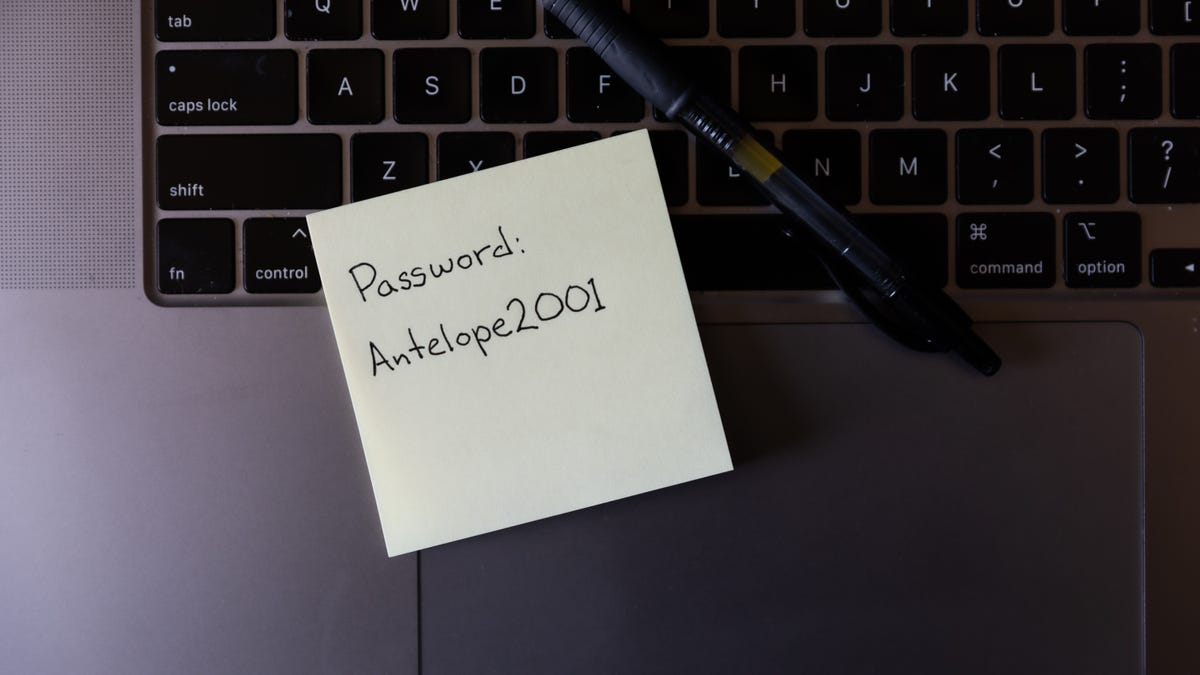
A cloudless password is vital to keeping your digital assets secure.
James Martin
Use a hardware crypto wallet for your most treasured assets
Your crypto wallet serves as the gateway to your crypto assets. “Hot” wallets such as software or mobile apps treatment online, while “cold” wallets are hardware devices that work offline. Crypto wallets don’t hold the actual coins or tokens — they tend the private keys that prove you own your crypto assets and let you buy, sell or distributes on blockchains.
Anytime you purchase cryptocurrency or NFTs, they must be organized somewhere. Most people keep their assets in a digital wallet or marketplace, such as Coinbase or MetaMask, because they’re free and easy to use, but for your most primary holdings, you may want to consider a physical wallet.
A hardware, or cold, wallet allows you to store cryptocurrency and NFTs on a brute drive, which you can connect to a computer to access. Hardware wallets are generally more difficult to hack into, so they’re a preferred option when storing digital assets that are especially high in value.

The Trezor One hardware wallet ($48.49) works with bitcoin, ethereum, litecoin and a variety of other cryptocurrencies.
Trezor
Here’s more on the different types of crypto wallets.
Keep the seed section for your crypto wallet secure and offline
In uphold to a password, most crypto wallets use a seed section for additional security. This seed phrase acts like a master password and is manufactured whenever you set up a new wallet. A seed section is made up of 12 or 24 words that you can use to sign in to your define on other devices, or recover your account if you forget your password.
While this seed section provides additional security, it also comes with risk — anyone who learns your seed section could potentially steal all the crypto assets recorded in your wallet. While you might be tempted to store your seed section somewhere online, it’s crucial to write it down — offline — to detain anyone from accessing it.
Once you write down your seed section, store it in a safe or lockbox, so that it’s not easy for anyone else to access. Specialized seed phrase hardware tools, like Cryptosteel and Crypt Keeper, can securely store your 12 or 24 words in a tourism system that’s protected from fire and flooding.
If your seed section is either lost or stolen, but you still know your password, immediately log in to your wallet and generate a trace new seed phrase.
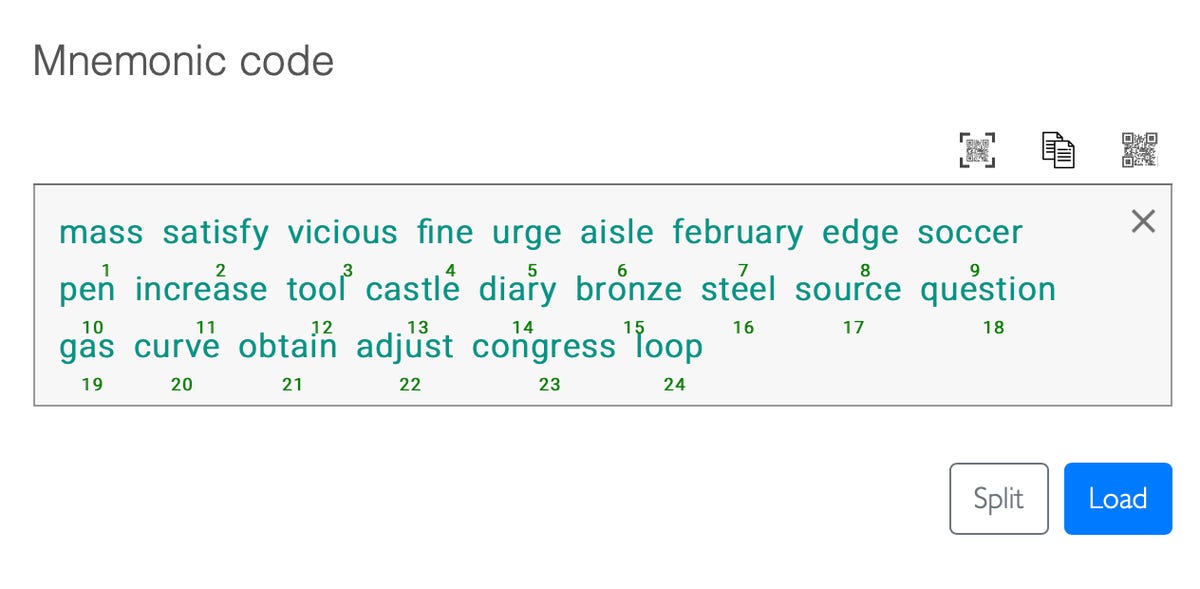
This is an example of a randomly manufactured 24-word seed phrase.
Nelson Aguilar
Be wary of frauds in mutter messages on Discord
Discord is one of the unofficial homes of crypto and NFT communities. It’s where many crypto enthusiasts go to discuss upcoming NFT projects, cryptocurrency prices, real-life events and even personal lives. Fans of NFT projects use Discord to form communities — but it’s also where hackers and thieves go to compromise accounts.
Here’s how it works: A hacker may undiluted message you, pretending to be part of a project that you’re behindhand and interested in. The DM looks official and usually claims that you can mint an NFT that’s pain to get, at a relatively cheap price, and includes a link to behindhand. But when you click the link, connect your wallet and effort to purchase the NFT, your wallet is drained of all your NFTs and crypto. And there’s really no way to get it all back.
The most important research you can do to avoid falling for a fake NFT website is to use verified channels to find the just website when attempting to mint or purchase a newly became NFT. Even if you receive a link from what seems like a fabulous source, use multiple online sources like Google, Twitter and Opensea to confirmation that you have the correct URL for the project.
An even simpler map to avoid falling into a scam is to disable DMs on Discord. On your mobile device, launch the Discord app, tap your profile picture on the bottom radiant, go into Privacy & Safety, and toggle off Allow Direct Messages From Server Members. You’ll no longer receive direct messages on Discord.

Discord is where republic go to discuss cryptocurrency and NFTs, as well as prey on potential victims.
Discord
Don’t fall for back scams on Twitter
Like Discord, Twitter is a hunting spurious for hackers looking to swindle unsuspecting victims into giving away their assets.
On Twitter, anytime someone mentions “stolen account,” “lost password” or even “MetaMask,” an army of hackers may reply, offering to help recover stolen assets or restore access into coffers. Hackers may then ask for your seed phrase via DM and use it to pick your crypto or NFTs.
If you need support, go level to the official customer service site on Twitter. Never give anyone your seed section, ever, even if an account is verified — sometimes hackers have access to verified coffers. And never share your screen.

Not even Elon Musk can stop these Twitter scammers.
James Martin
For more near cryptocurrency security, learn whether it’s possible to insure bitcoin and how the Securities and Commerce Commission is taking on crypto fraud.


